
Tags
Related Posts
Share This


The San Fransisco Treat (minus the box and excessive salt)!
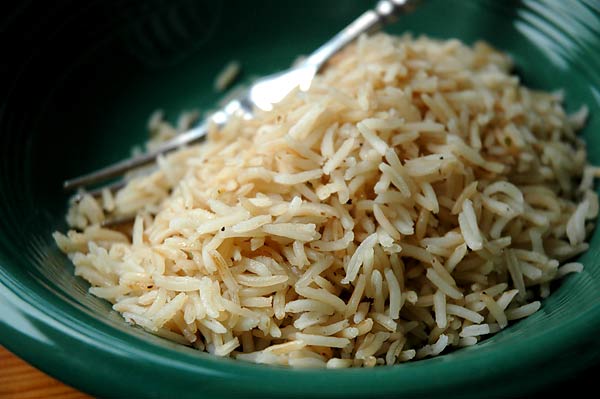
When I was just a kid, maybe 30, I was a sucker for Rice-A-Roni.
I admit it, I loved the stuff. I gave up processed foods for the most part a few years ago but that one was one of the harder ones to let go of. That little box packed a lot of comforting goodness. It also packed a lot of salt and chemicals but oh man, the comfort.
Rice-A-Roni is definitely old school processed food because it actually requires a bit of skill in preparation. This is a product that requires you to get a knob of butter to a temperature in a pan that actually browns the lovely bits of rice and vermicelli before you dump in the salt-chemical-comfort packet and water. It’s a lot more skill and effort than is required by the today’s typical processed food, proving beyond a shadow of a doubt that we as a society were remarkably less stupid in the 60s and 70s than we are today. Today, we don’t really want to do more than shove things into the microwave or oven for a few minutes before ramming the food into our faces. Oh, we’re quite a bunch eh? I digress.
Anyway, perhaps the best part about Rice-A-Roni is the final texture of the dish. It’s got that classic pilaf thing happening where the grains are free-flowing and flavourful. I’m personally pretty tired of glumpy white rice. And don’t feel bad – there is a time in everyone’s life when you thought that purchasing a counter top electric rice cooker was a good idea. I had one too. It’s now in a box.
Browning rice in fat before adding liquid is a technique used in a variety of cultures around the planet. Frying the raw rice causes the starches of the rice to cook, which then keeps the starches from leaching out and making the rice sticky when it’s done cooking. This action can be applied to all kinds of rices, from regular white long or short grain rice to aromatic rices such as jasmine or basmati. I most recently tried it with basmati which made for a rice I enjoyed a lot more than the boiled or steamed method that’s recommended on the bag.
So if you’re tired of glumpy gooey sticky bland rice, give a simple pilaf a shot. In my pilaf, I use very little butter as I find too much makes the final rice a bit more greasy than I’d prefer. The aim – at least my aim – is to have a rice that’s cooked, free-flowing and actually fairly dry, but still packed with flavour.
I hear that’s how they like it in San Fransisco.
Rice pilaf
2 teaspoons butter
3/4 cup basmati or regular long grain white rice
pinch of salt and pepper
1-1/2 cups chicken stock (preferably homemade, but a good low-sodium stock will work well)
In a fry pan that has a lid, heat the butter over medium-high heat for a couple of minutes until it begins to foam. Once the foam subsides, add the rice to the pan. Stir often and fry the rice until it’s giving off a nutty fragrance, about three to five minutes. The rice should turn to a bit of a whiter colour as the starch cooks. Season with a pinch of salt and pepper, then pour in the chicken stock. Place back on the heat and bring to a boil, stirring occasionally. Lower the heat to low and put the top on. Let it simmer gently for 15 minutes. Remove the pan from the heat and let stand for 10 more minutes before you remove the top. Fluff with a fork and serve.
There are all kinds of variations you can add to this very basic base. You can add a bit of onion and garlic to the rice as it fries initially. I like adding broken up bits of rice vermicelli (rice stick noodles) to the rice as it fries. That makes for a mixed texture of little rice noodle pieces with the rice that I kind of like. You can also add cooked vegetables such as finely diced cooked carrot or peas to the finished dish when you fluff it. I’ve also added lightly toasted almond slices to the finished pilaf for great flavour and texture too. So many possibilities! So easy!
I’m making this right now! With vegetable stock of course.
I miss Rice A Roni but this sure helps. Thank you.